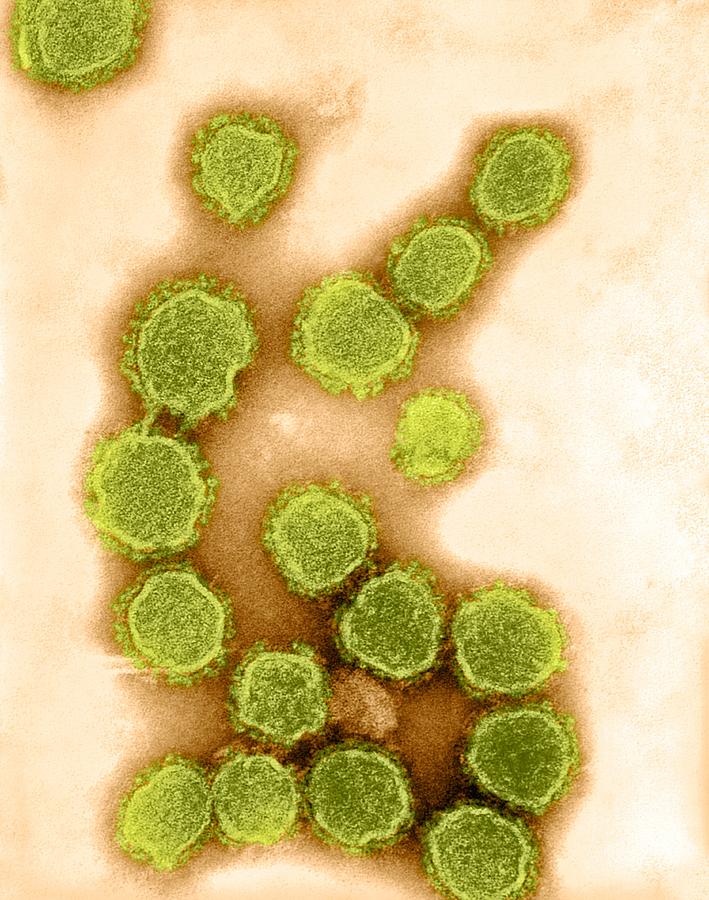
Showing posts with label disease. Show all posts

Wednesday, February 3, 2016

The “Zika” Virus Was Created and Patented By The Rockefeller’s, The goal Is to kill Millions of People

By conspiracyclub | Feb 2, 2016


According to WHO “Zika virus expands explosively” and the infectious agent, possibly genetically modified mosquitoes Panda foremen psychopaths who control world power, is already present in 23 countries in Latin America.

In Spain Valladolid it has been diagnosed in the third case of the virus in Spain zika in a man who had returned from an area of risk for this disease as Colombia.

Panda criminals who rules the world is the same that controls anti WHO reports to hide their interests while reporting falsehoods to allow countless harmful to health from certain vaccines and transgenic glyphosate herbicides criminal Monsanto, to the permissibility of harmful technologies such as phone masts or wireless waves, or even fear of Ebola spreading or complicity with swine flu and some others of atrocities.


These bullies are the same who profit by Big Pharma to hide preventive medicines for the benefit of the proliferation of medical products unsuitable for the population.

Well, not to tire reiterándonos to denounce these tipejos, Zika virus (ATCC® VR-84 ™) was patented, yes, patented in 1947 by the Rockefeller Foundation, one of the families more interested in manipulating power even in scientific medicine to study in universities to train future professionals who unknowingly diagnose and prescribe as learned bases.


Source:

http://www.lgcstandards-atcc.org/products/all/VR-84.aspx?geo_country=es#history

Babies With Genes From Three People Could Be Ethical, Panel Says

KRWG | By ROB STEIN | Feb 3, 2016


Editor's note: This post was updated Feb. 3, 2016, at 12:25 pm to include a statement from the Food and Drug Administration.

Would it be ethical for scientists to try to create babies that have genetic material from three different people? An influential panel of experts has concluded the answer could be yes.


The 12-member panel, assembled by the National Academies of Sciences, Engineering and Medicine, released a 164-page report Wednesday outlining a plan for how scientists could ethically pursue the controversial research.

"The committee concludes that it is ethically permissible" to conduct such experiments, the report says, but then goes on to detail a long list of conditions that would have to be met first.

For example, scientists would have to perform extensive preliminary research in the laboratory and with animals to try make sure it is safe. And then researchers should initially try to make only male babies, because they would be incapable of passing their unusual amalgamation of DNA on to future generations.

"Minimizing risk to future children should be of highest priority," the committee writes.

The report was requested by the Food and Drug Administration in response to applications by two groups of scientists in New York and Oregon to conduct the experiments. Their goal is to help women have healthy babies even though they come from families plagued by genetic disorders.

A statement issued by the FDA immediately after the report's release raised questions about whether the FDA would permit the research to move forward.

The FDA email praised the "thoughtful work" of the panel and said the agency would be "reviewing" the recommendations. But it noted that federal law "prevents the FDA from using funds to review applications in which a human embryo is intentionally created or modified to include" changes that could be passed down to future generations. As a result, the email says, any such research "cannot be performed in the United States."

"I think it's a great step in the right direction," Mark Sauer, a professor of obstetrics and gynecology at Columbia University who is a member of one of the teams, said of the National Academies report in an interview before the FDA issued its statement.

Sauer calls the report more of a "yellow light" than a "green light," because of the long list of caveats and cautions. But that is "better than a red light," he says.

"Most importantly to us is that it allows the work to continue to hopefully produce children without these disorders," Sauer says.

Critics, however, say the number of women who could benefit from the experiments are so small that it's not worth crossing a line that's long been considered off limits – making genetic changes that could be passed down for generations.

"The possibility of what you could call mission creep is very real," says Marcy Darnovsky, executive director of the Center for Genetics and Society, a watchdog group based on Berkeley, Calif. "People are talking about going forward not just with this but with the kind of genetic engineering that will produce outright genetically modified human beings."

Once that happens, Darnovsky says, "I think you get into a situation of where some people are genetically enhanced and other people are the regular old variety of human being. And I don't think that's a world we want to live in."

The goal of the research to help women carrying diseases known as mitochondrial disorders, which are only passed down by women through defects in the genetic material in their eggs.

Specifically, the defects are in a type of genetic material known as mitochondrial DNA.

Unlike the DNA that most people are familiar with — the 23 pairs of human chromosomes that program most of our body processes and traits — mitochondrial DNA consists of just 37 genes inside mitochondria, which are structures inside cells that provide their energy.

Mitochondrial disorders range from mild to severe. In many cases there is no treatment, and the affected child dies early in life after suffering progressive, debilitating symptoms.

In the experiments, scientists would take eggs from women carrying defective mitochondrial DNA, remove all the genes except for the mitochondrial DNA, and then do the same thing to eggs that have been donated by women with healthy genes.

The DNA of the woman who wants to have the healthy child would be transferred into that egg, which would then be fertilized in the laboratory with sperm and implanted in her womb to develop.

The British government recently approved such experiments in that country.

But this remains controversial, not only due to the fact that the resulting children would have DNA from three people. Because the transplanted DNA could be passed down for generations, critics fear it could accidentally introduce errors into the human gene pool that could create new diseases.

They also worry it would set a precedent that could open the door to creating designer babies, in which parents can pick and chose the traits of their children.

Because of such concerns, making any change in DNA that could be passed down for generations has long been considered off limits.

The committee report acknowledged that making babies with DNA from three different people could create have "psychological and social effects" on the offspring, including issues about their "conception of identity."

In addition, the committee acknowledged the possibility that it could lead to attempts at genetic "enhancements."

Such work would raise thorny regulatory issues, the committee noted. For example, the federal government is prohibited from funding research that involves destroying human embryos. As a result, "even an agency request" for data from such research in support of FDA approval "could well be controversial," the report says.

Nevertheless, the committee says the potential benefits make the work worth pursuing with careful oversight.

Moreover, the FDA could at some point even consider letting experiments proceed to try to create female babies if certain criteria are met, the report said, including the production of "clear evidence of safety and efficacy from male" experiments and signs that it would be publicly acceptable.

Tuesday, February 2, 2016

Zika virus: WHO declares global public health emergency, says causal link to brain defects ‘strongly suspected’

The Washington Post | By Ariana Eunjung Cha, Lena H. Sun and Brady Dennis  | February 1 at 5:00 PM


The World Health Organization designated the Zika virus and its suspected complications in newborns as a public health emergency of international concern Monday. The action, which the international body has taken only three times before, paves the way for the mobilization of more funding and manpower to fight the mosquito-born pathogen spreading "explosively" through the Americas.


Zika, first identified more than 50 years ago, has alarmed public health officials in recent months because of its possible association with thousands of suspected cases of brain damage in babies. The WHO has estimated that the virus will reach most of the hemisphere and infect up to 4 million people by year's end.

[What is Zika? And what are the risks as it spreads?]

WHO Director-General Margaret Chan said at a media briefing Monday that the primary reason for the designation was the "strongly suspected" causal relationship between Zika and the rare congenital condition called microcephaly. Even before that association is scientifically confirmed or disproved, members of an 18-member advisory panel said the seriousness of the cases being reported required action. Chan concurred, saying the consequences of waiting were too great.

“Even the clusters of microcephaly alone are enough to declare a public health emergency because of its heavy burden" on women, families and the community, Chan said.

What you need to know about the Zika virus
Play Video1:10

Authorities have confirmed more than 30 cases of Zika virus in the United States. Here's what you need to know. (Gillian Brockell/The Washington Post)

In addition, she noted, there is significant concern given the lack of vaccines and rapid, reliable diagnostic tests, as well as the absence of any viral immunity in the population since the Americas are being affected for the first time. A potential link to Zika is also suspected in adults who have been diagnosed with Guillain-Barré syndrome, a rare condition that can cause paralysis.

According to the latest figures on the epicenter of the outbreak, Brazil has 4,000 suspected cases of microcephaly, with 270 confirmed with evidence of an infection.

[Zika virus and microcephaly: Is a mosquito bite actually responsible for the brain defect?]

The WHO declaration represents its highest level of alert and is only invoked in response to the most dire threats. The first time was in 2009 during the H1N1 influenza epidemic that is believed to have infected up to 200 million worldwide; the second in May 2014 when a paralyzing form of polio re-emerged in Pakistan and Syria; and the third in August 2014 with Ebola in West Africa.


Identifying a global public health emergency now allows the WHO to help coordinate surveillance efforts, such as recording and monitoring cases of Zika, microcephaly and other neurological complications. Officials said countries need to standardize their surveillance for microcephaly, in which an abnormally small head signals incomplete brain development.

Zika’s emergence as a major concern has taken infectious disease experts by surprise. The virus has been popping up in various parts of the world for decades, but individuals have typically only suffered mild symptoms such as a rash or body aches. Nearly all those infected in the past recovered fully, though there were rare cases of complications.

In recent months, however, as reports about brain-damaged newborns began increasing, health officials have worried about Zika's impact on fetal development and have focused on trying to protect pregnant women from the virus. In January, the U.S. Centers for Disease Control and Prevention issued a travel advisory urging pregnant women to avoid travel to areas where the virus is actively spreading. That advisory has been expanded repeatedly and now lists more than two dozen countries and territories in Central America, South America and the Caribbean.

[Graphic: What you need to know about the Zika virus]

The WHO said Monday there is no reason for travel or trade restrictions at this time. Instead, health officials there reiterated their advice to pregnant women to wear appropriate clothing, use insect repellent and take other practical measures, such as sleeping under a bed net to avoid being bitten.

Anthony Fauci, director of the National Institute of Allergy and Infectious Diseases, said the WHO’s declaration is the "official global sounding bell that governments and others need to start really paying attention to this."

Infectious disease experts and others have pressured the WHO to escalate its response to Zika for several months, warning of the mistakes world leaders made during the Ebola crisis when a lack of coordination delayed quarantines and treatment. Chan seemed to reflect their calls when she asked rhetorically during Monday's media briefing, "Can you imagine if we do not do all these works now and wait until the science comes out, then people will say, 'Why don't you take action?'"


In the capital of El Salvador, health workers are negotiating entry into violent, gang-run neighborhoods to fumigate and to educate residents about avoiding infestations.

Bruce Aylward, the WHO's director of outbreaks and health emergencies, said that the evidence pointing to both a “temporal and geographic association” between Zika and microcephaly was strong.

"This is definitely the right measure to be taking at this time based on the information available," he said.


Some public health experts said the WHO did not go far enough.

Lawrence Gostin, a public health and law expert at Georgetown University, said it was a mistake that WHO did not issue a travel alert for pregnant women visiting Zika-affected countries. The organization's failure to do so puts it at odds with the CDC's travel warning to pregnant women.

The countries affected typically have younger populations, which means more women of childbearing age who will be worrying about the virus and its potential harm. Some of these countries have had among the world’s higher birth rates recently.

[The latest Zika news]

From 2011-2015, according to data from the World Bank, Guatemala had 27 births per 1,000 people; Haiti, 25; and Bolivia, 24. The rate in Brazil – South America’s most populous country by far – was 15 births per 1,000 people during that same period.

Gostin said parents concerned for the welfare of their daughters should advise them to avoid going to affected areas if they are pregnant. "If this wave of Zika infections is followed by a wave of birth defects in nine months, it would be unconscionable," he said in a statement.

Some countries are asking women to indefinitely delay pregnancy. But most Latin American countries also restrict access to contraception and abortion, and that puts a heavy and unfair burden on young and often poor women, he said.

Peter Hotez, dean of the National School of Tropical Medicine at Baylor College of Medicine in Texas, sees most countries in the Americas as ill-equipped to preemptively fight the disease. It already has moved rapidly from South America north into Mexico.

“What do you do that’s meaningful to prevent microcephaly?” Hotez asked. “It’s going to go beyond the current health budget of these countries. You’re going to have to get the buy-in of the presidents of these nations.”

Zika may even be harder to defeat than Ebola, according to Hotez. While that virus was more deadly and could spread from human to human, it was easier to contain by isolating infected patients and ensuring safe burials. Ebola affected roughly 30,000 people in four West African countries. Zika could affect millions of people throughout the entire Western Hemisphere.

Brazil mobilizes against outbreak of mosquito-borne virus


South America’s biggest country has seen a rise in cases of a disease triggered by the little-known Zika virus being linked to a spike in birth defects.

“This is more challenging and more complicated because of the vector and what you’re up against,” Hotez noted.

In an interview with the Reuters news agency, Brazilian Heath Minister Marcelo Castro said the outbreak is his country is worse than previously believed because an estimated 80 percent of people who become infected with the virus do not exhibit known symptoms.


Castro also said every municipality in Brazil will be required to report all Zika cases to a central database starting next week. In further controls, Brazil will join other nations in banning blood donations from people who had the virus.

Castro warned last week that Brazil was “badly losing” the battle against the mosquito blamed for spreading Zika and said that more than 220,000 members of Brazil’s military would be mobilized in eradication efforts. The plans included distributing mosquito repellent to about 400,000 pregnant women, according to Brazil’s O Globo newspaper.

Brian Murphy contributed to this report.

Monday, January 25, 2016

20 Dead, 200 Hospitalized After Reports US Lab "Leaks" Deadly Virus In Ukraine

Zero Hedge | by Tyler Durden on 01/25/2016 11:51


Amid the so-called "ceasefire" in Ukraine, yet ongoing shelling in many regions, the Donbass news agency reports that more than 20 Ukrainian solders have died and over 200 soldiers are hospitalized after an apparent leak of a deadly virus called "California Flu" from a US lab near the city of Kharkov.

As Donbass News International reports,
More than 20 Ukrainian soldiers have died and over 200 soldiers are hospitalized in a short period of time because of new and deadly virus, which is immune to all medicines. Donetsk People's Republic intelligence has reported that Californian Flu is leaked from the same place where research of this virus has been carried out.

The laboratory is located near the city of Kharkov and its base for US military experts.

Information from threatening epidemic is announced by Vice-Commander of Donetsk Army, Eduard Basurin.

Leak of deadly virus in Ukrainian side was published first time on 12.1.2016:
"According to the medical personnel of the AFU units (Ukrainian troops) there were recorded mass diseases among the Ukrainian military personnel in the field. Physicians recorded the unknown virus as a result of which the infected get the high fever which cannot be subdues by any medicines, and in two days there comes the fatal outcome. Thus far from the virus there have died more than twenty servicemen, what is carefully shielded by the commandment of the AFU from the publicity", said Basurin in daily MoD situation report.
Outbreak of deadly virus continues and Friday 22.1.2016 Vice-Commander told new information from epidemic:
"We keep registering new facts of growing the epidemics of acute respiratory infections among the Ukrainian military.

Just since the beginning of this week more than 200 Ukrainian military have been taken to civil and military hospitals of Kharkov and Dnepropetrovsk. It is important to repeat that the DPR intelligence previously reported the research being carried out in a private laboratory in the locality Shelkostantsiya, 30 km away from the city of Kharkov, and involving US military experts. According to our information, it is there where the deadly Californian flu strain leaked from," Basurin said.
It appears it is not just military that is affected, as Radio Free Europe reports a flu epidemic is sweeping through the eastern Ukrainian city of Kramatorsk -- and the conflict smoldering nearby is making the situation even worse.Doctors are unable to identify the exact strain of the virus, because the laboratory they need is across the front lines in separatist-controlled Donetsk